
Planning + Construction · Edge Crew Commercial
What needs to be resolved before you set a commercial opening date?
An opening date depends on the building, the utility work, the required approvals and the owner’s preparations. Put those pieces on one schedule early.
A business opening can drive hiring, deliveries, a lease transition and commitments to customers. Before you announce a date, ask the project team to show what has to happen for that date to work.
The useful conversation goes beyond the construction finish. It includes design decisions, approvals, utility service, equipment and the preparations your own team needs to make. Each item needs a responsible person and a clear next step.
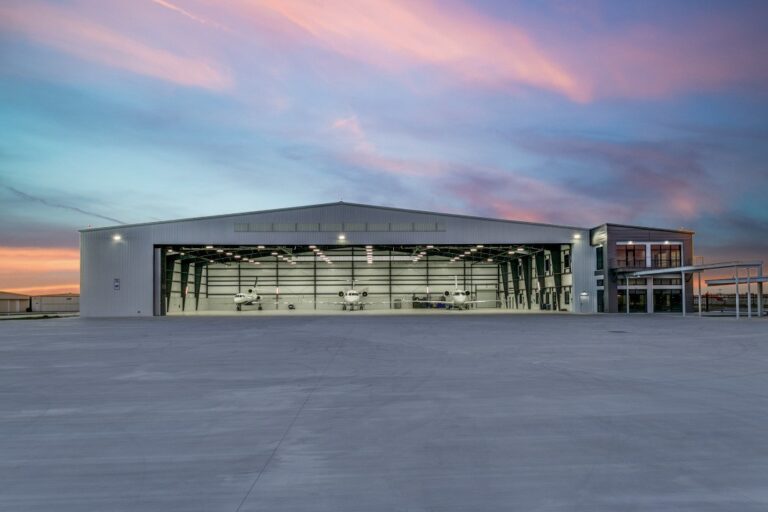
Texas Jet 4C in Fort Worth. Its construction and utility coordination are discussed below.
Define what “ready” means for your business
Give separate dates to the milestones that matter: construction completion, required approvals, equipment installation, staff preparation and the first day of business. Some work can overlap. Other activities depend on an earlier step being finished and accepted.
Physical completion and permission to occupy are separate milestones. Fort Worth’s Certificate of Occupancy guidance says a new building with a known tenant receives its CO after necessary building-permit inspections are finalized and associated infrastructure work has been accepted. Shell buildings require completion of a separate tenant-finish-out permit before receiving a CO.
Ask the local authority and project team which requirements apply to your property and intended use. Confirm what access or occupancy is permitted before arranging move-in, stocking or training in the building.
Work backward through the approvals
Map the reviews and permits that apply before assigning a construction start. In Fort Worth, commercial permitting guidance explains that the building permit must be issued before trade permits can be applied for, and that location, zoning or design guidelines can add requirements.
For your project, identify who prepares each submission, who answers review comments and which decisions the owner must make. Record the information needed to submit a complete package. A review date has limited value while a required design decision is still open.
Include inspections and closeout requirements in this discussion. Ask what must be complete before each inspection can be requested, who requests it and how corrections would affect the next activity.
Give utility service its own sequence
Start utility coordination while the team is defining the building’s needs. Identify the provider, required service information, proposed equipment locations and the person responsible for carrying the request forward.
Oncor’s commercial and industrial load form asks for electrical load information, a site plan showing proposed utility equipment and requested temporary and permanent service dates. It also addresses easements and responsibility for service-related costs. Have the design and electrical teams confirm the requirements for the actual project.
Track the provider’s work separately from the contractor’s work. Oncor’s construction process includes a service request, project-manager coordination and an ESI ID when the location is ready for service. The customer then arranges service with a retail electric provider. Oncor also notes that construction or property-access issues can affect meter installation.
Ask for the project’s current status and prerequisites. General website timeframes should be checked against the provider’s assessment of your specific job.
A project example: Texas Jet 4C
At Texas Jet 4C at Meacham Airport in Fort Worth, Edge Crew served as general contractor for a 30,000-square-foot hangar and a 6,000-square-foot, two-story office. The total build took 12 months.
Utility design and coordination with Oncor and the City along Commander Road took 10 months, overlapping the overall build. The building and finishes were 100% constructed without permanent utilities.
That experience shows why the construction schedule and utility schedule need to be read together. Those overlapping durations describe this project only. Physical completion by itself does not establish when a business may occupy or operate in the building.
Build a dependency checklist
Use one shared list to connect the work. For every item, record the dependency, responsible person, required decision or document, target date, current status and evidence of completion.
Use and approvals:
What must be confirmed about the property, intended use and permit path? Who will obtain the answer?
Design and owner decisions:
Which selections or equipment requirements are needed before drawings, pricing or orders can proceed?
Utilities:
What information, agreements, payments, site work or inspections remain? Who owns each next step?
Construction and procurement:
Which materials, equipment or predecessor activities control the work that follows?
Inspections and occupancy:
Which approvals and accepted work are required? Who verifies they are complete?
Business readiness:
What equipment, technology, deliveries, staff preparation or other business-specific approvals need to be coordinated?
Make status specific. “Waiting on utilities” tells the team little. “Electrical designer to confirm revised load information before the service request can advance” identifies a next action. Record the date of the latest update and the source of any forecast.
Keep the opening forecast tied to current information
Review the list whenever a material decision or outside commitment changes.
Ask which milestone moves, what other work it affects and whether a safe, approved alternative is available. Keep time for unresolved work visible rather than assuming every remaining step will go as hoped.
Before committing to an opening publicly, have the people responsible for construction, utilities, approvals and business readiness review the same forecast. If a critical dependency is still unconfirmed, explain that uncertainty to the people making related commitments.
Our process shows where Edge Crew can join your project. Bring us your intended use, current plans and timing priorities, including any lease, move or business commitments the team needs to understand.
General owner-planning guidance. Confirm project-specific requirements with the project team, relevant authority and utility provider.
Keep exploring

Three generations of building knowledge. A family in North Texas that takes your project personally.
Based in Bridgeport, Wise County. Serving Wise, Denton, Tarrant, Parker and Dallas counties.
© 2026 Edge Crew Construction. All rights reserved.