
Our Process · Commercial Construction
A clear start.
A connected process.
Commercial projects don’t all begin at the same point. Edge Crew can join at the first idea, during design, or when completed plans are ready for competitive bids.
Three ways to begin.
Where we enter the project shapes our early responsibilities. These are three starting points, each with its own route into construction.
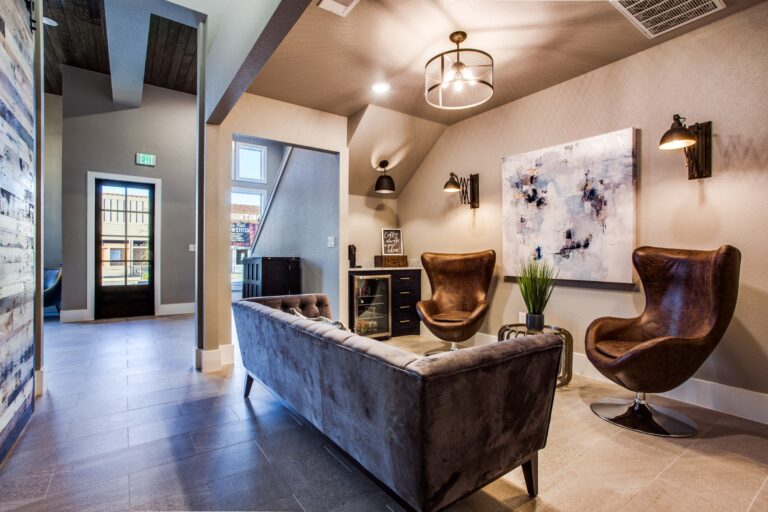
An idea or early concept
Design-Build
Bring Edge Crew in at the beginning.
We coordinate the original idea through plan development, preconstruction, specifications and documentation, then move into construction.
Concept → plans + documentation → construction
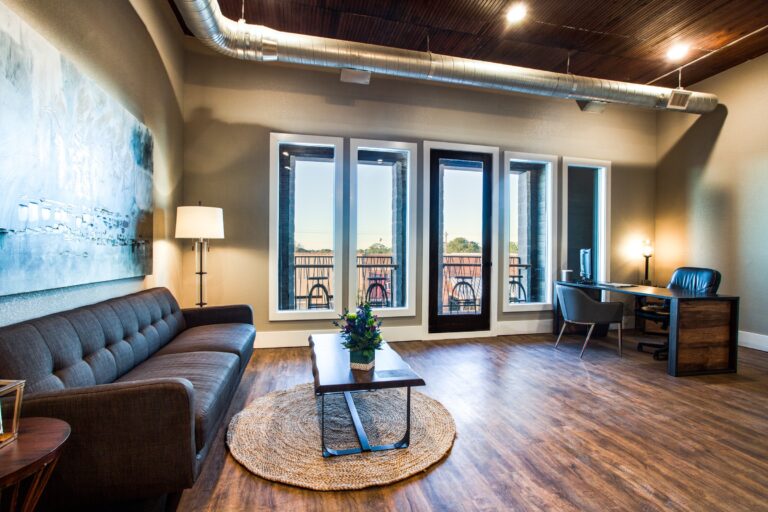
Design is already underway
Preconstruction +
General Contracting
Connect the owner, design team and construction team.
During preconstruction, we serve as the primary owner/design-team contact, coordinating the architect, engineers and owner before construction.
Design coordination → preconstruction → construction
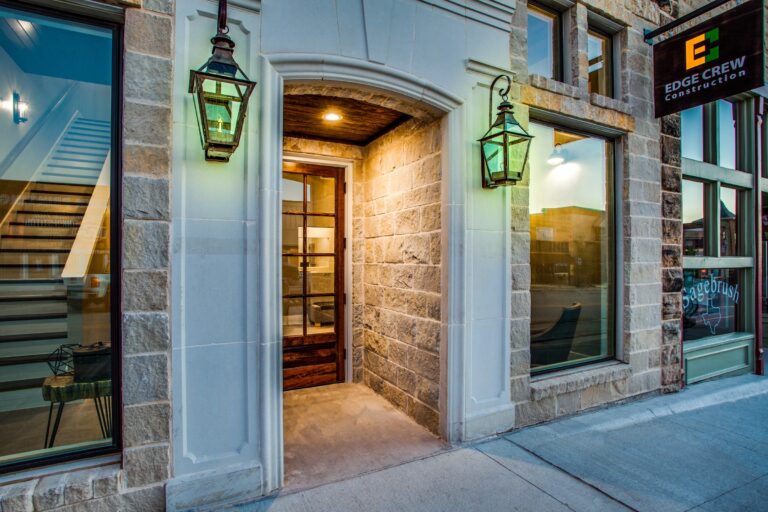
Plans and specifications are complete
Competitive Bid
Bid the defined project as general contractor.
We bid the completed plans and specifications as general contractor. If awarded, we move into construction.
Completed documents → bid + award → construction
Construction + completion
Different starting points.
A shared path forward.
The responsibilities before construction differ by route. Explore the stages below to see how each starts, what information helps and how the work moves toward construction.
Photographs show Edge Crew’s office on Halsell Street in Bridgeport.
Path 01 · Start with the idea
Design-Build
This route begins before the project is fully defined. Edge Crew joins early to coordinate the original idea, plan development and preconstruction, then carries the project into construction.
What to bring
- The intended use and priorities for the space
- A location or site information, if available
- Early ideas, sketches or reference material
- Investment expectations and timing priorities
- The people who will make project decisions
You don’t need a completed set of plans to start this conversation. The first task is to understand what the project needs to become.
01 · Establish the concept
Start with the purpose of the project: what the space needs to do, where it will be and which priorities matter most to the owner. Edge Crew coordinates the original concept and idea from that starting point.
This is where the direction of the project takes shape, before a complete set of construction documents exists.
02 · Develop the plans together
The concept moves into plan development. Layout, building systems, materials and the owner’s priorities need to be considered together as the design develops.
Edge Crew coordinates that process with the owner and the appropriate design professionals. Coordination does not replace the architect’s or engineer’s design responsibilities.
03 · Define the project in documents
Preconstruction brings the developing plans, specifications and project documentation together. The purpose is to make the intended work clearer: what is included, which decisions remain and how the information fits together.
The exact documents and approvals depend on the project, its location and the responsibilities established for the work.
04 · Move from planning to construction
The route continues from design and preconstruction into the construction phase. This transition connects the project’s plans and specifications with the scope Edge Crew will build.
Scope, responsibilities and any project-specific readiness requirements need to be understood as the work moves toward the field.
Path 02 · Join during design
Preconstruction +
General Contracting
This route is for a project whose design is already underway. Edge Crew joins the owner and design team during preconstruction, helps coordinate their work and then moves into construction as general contractor.
What to bring
- The current plans and specifications, even if unfinished
- Architect and engineering-team contacts
- Available site or existing-building information
- Decisions already made and questions still open
- Business priorities, investment expectations and schedule goals
When engaged in preconstruction, Edge Crew becomes the primary point of contact between the owner and design team. The scope of that involvement is specific to the project.
01 · Understand the work in progress
We begin with the design as it stands. Which information is current? What has the owner decided? What still needs input from the architect, engineers or construction team?
Understanding that starting point helps the team continue the work already underway rather than treating the project as a new concept.
02 · Connect the owner and design team
During preconstruction, Edge Crew acts as the primary contact between the owner and design team. We help coordinate the design among the architect, engineering team and owner.
That coordination gives project questions a route to the people responsible for answering them. Design decisions and owner decisions remain connected to the appropriate team members.
03 · Bring the information into alignment
As design progresses, the plans, specifications, owner requirements and construction scope need to describe the same project. Open questions and decisions are part of that coordination work.
Edge Crew brings the construction perspective into the discussion while the design team develops its work. The aim is a shared understanding of what will be built and who is responsible for each part.
04 · Carry the coordinated scope into the field
The project then moves from preconstruction into construction. The plans, specifications and defined scope become the basis for the work in the field.
The handoff is about continuity: the owner’s decisions and the design team’s information need to remain connected to the construction work that follows.
Path 03 · Start with completed documents
Competitive Bid
This route begins after the plans and specifications are complete. Edge Crew bids the defined project as general contractor and, if awarded the work, moves into the construction phase.
What to provide
- The completed plans and specifications
- Current addenda or document revisions
- Bidding instructions and submission requirements, where applicable
- Available site information and known project requirements
- The designated contact for bid questions
The completed documents form the basis of the bid. Construction follows an award; submitting a bid does not itself start the work.
01 · Start with the bid documents
The starting point is the completed set of plans and specifications, together with the project’s applicable bidding information. This route does not begin with an Edge Crew-led concept or plan-development phase.
Current revisions matter because they establish which version of the work is being priced.
02 · Clarify the work being priced
The documents describe the requested scope. Questions about missing or unclear information need to be addressed through the project’s designated bidding process.
The goal is a clear understanding of the work being requested, rather than assumptions about what the owner or design team intended.
03 · Submit the bid
Edge Crew submits a competitive bid as general contractor. Selection and award follow the owner’s process for the project.
An award is the decision point for moving forward. The bidding route remains separate from construction until Edge Crew is awarded the work.
04 · Transition into construction
If awarded, Edge Crew moves directly into the construction phase using the completed plans, specifications and defined project scope.
Directly into construction means this route does not include our earlier concept-development path. Project-specific documentation, approvals and readiness requirements still apply.
Shared delivery
How the work moves
through construction.
The three entry paths differ in what comes before construction. Once the project moves into the field with Edge Crew, the work stays connected to its defined scope, project team and requirements for completion.
01
Establish the working information
The plans, specifications and defined scope provide the basis for construction. Depending on the project, the working information may also include approvals, site information and owner requirements.
The responsibilities for those items should be clear. They are project-specific, rather than a single checklist that fits every building.
02
Keep decisions connected to the work
Construction questions, design clarifications and owner decisions need to reach the people responsible for them. When a possible change arises, its relationship to the scope, cost and schedule needs to be understood.
Communication, reporting and the handling of changes follow the arrangements established for the project.
03
Bring the agreed work to completion
Completion focuses on the agreed work and any project-specific requirements for bringing it to a close.
Inspections, documentation and handover items depend on the project and the responsibilities established for it. Those requirements should be understood as part of the work, rather than assumed to be identical on every job.
Where is your project today?
Tell us what you’re planning, what information you already have and where you need help. We can start with the route that fits that stage of the project.
Build what
comes next.

Commercial spaces built with purpose. Edge Crew brings clear planning, accountable leadership, and craftsmanship to the places North Texas businesses work and grow.
Based in Bridgeport, Wise County. Serving Wise, Denton, Tarrant, Parker and Dallas counties.
© 2026 Edge Crew Construction. All rights reserved.