
OWNER INSIGHTS · EDGE CREW COMMERCIAL
Which materials and equipment need attention early?
Items with lengthy approval, fabrication, or delivery requirements need early attention, which may include structural components, electrical equipment, HVAC equipment, and specialty systems. Your team should identify the actual procurement risks for your project and connect selection deadlines to the construction schedule.
Take a closer look
Open any section for the questions, checks and decisions behind the short answer.
Start with what could hold up the next step
Ask your team to identify purchases that could interrupt a construction sequence or prevent the building from opening. Price alone does not determine priority. A relatively small control component can deserve more attention than a large finish package if other work depends on it.
Potential watch items include fabricated structural components, electrical distribution equipment, HVAC units, custom doors or glazing, and business-specific systems. Treat this as a starting list. Your project’s specifications, quantities, suppliers, and required installation dates determine the actual risks.
DOE has documented supply constraints involving distribution transformers. That is a reason to investigate electrical service early, rather than use a national shortage story as a delivery estimate for your project.
Work backward from the installation date
A delivery date is only one point in the process. Before an item can be installed, the team may need a final selection, coordinated dimensions, product information, design review, revisions, purchasing authorization, fabrication, shipping, and a place to receive it.
AIA’s construction-administration guidance connects the submittal schedule with the construction schedule. A submittal is information such as product data, shop drawings, or samples showing how proposed work will satisfy the design. Ask the team to show the review and procurement steps that sit ahead of installation.
Have the person managing procurement identify the next deadline you control. Record what is needed to make that decision, so a selection request does not arrive without usable options.
Ask what “ordered” means
Use status descriptions that reveal what has actually happened. A supplier quote, a purchase order, a release for fabrication, and a confirmed shipment answer different questions. Ask for the latest dated confirmation and the assumptions behind it.
For example, when ordering a custom entry door, the owner may have selected a finish while hardware coordination remains open. Calling the door ordered could hide the remaining decision. A clearer update states what is complete, what prevents the next step, who is resolving it, and when the supplier will confirm the next milestone.
If dates change, ask which scheduled activities are affected and what options the team recommends. Avoid treating a forecast as a guaranteed arrival.
Include utilities and owner-purchased equipment
Put owner-purchased equipment on the same coordination list as contractor purchases. Give the design and construction teams the information needed to evaluate electrical service, connections, dimensions, access, and installation responsibilities before committing to an item.
Utility coordination deserves its own entry. For example, Oncor’s commercial load form requests equipment loads, service information, and proposed equipment locations. Projects served by another provider need that provider’s requirements. Confirm the serving utility and the person responsible for keeping the service request moving.
For example, in a food-service space, choosing an appliance may also require decisions about power and utility connections. Ask which parts of the building design must be settled before the appliance order can safely proceed.
Evaluate early purchases and substitutions carefully
An early purchase can create a commitment before every project question is answered. Ask what has been verified, what remains uncertain, and what could happen if the design changes. Review cancellation terms, storage arrangements, damage responsibility, and payment requirements with the appropriate project team members.
When an alternative is proposed, ask the design team to evaluate its suitability and the contractor to explain the total cost and schedule effect. Availability is one consideration alongside installation, compatibility, maintenance, and appearance. Keep the decision and any required contract change documented.
Revisit the watch list at progress meetings. An item can leave the urgent list once its next milestone is secure, while a newly delayed item may need attention immediately.
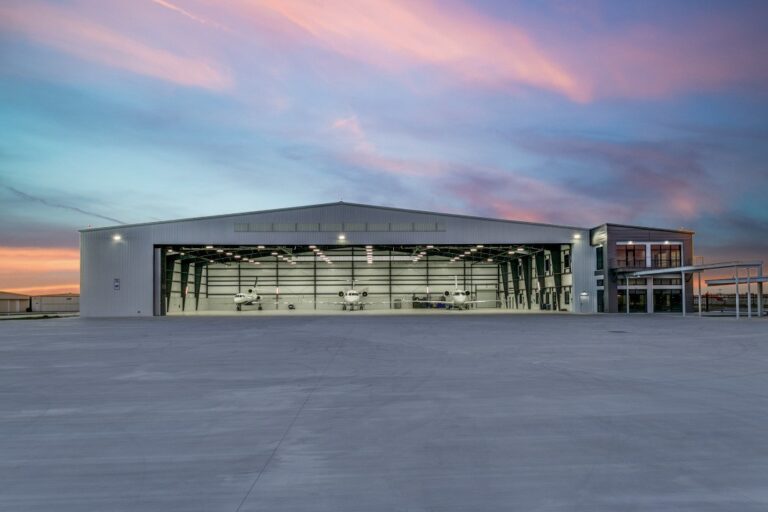
Texas Jet 4C, Fort Worth. Its utility coordination is discussed in the guide.
Owner tool: procurement decision tracker
For each schedule-sensitive purchase, ask your team to complete these fields. Keep the list focused on items that need attention.
01
Item and location: What is being purchased, and where will it be installed?
02
Schedule need: What activity depends on it, and when is it needed?
03
Decision: What must I approve, and what information do I need first?
04
Status evidence: What has the supplier confirmed, and on what date?
05
Next step: Who is responsible, and when will they provide an update?
06
Backup option: What alternative is being evaluated if the current plan slips?
This guide offers general planning questions. Your contract, design documents, property conditions and applicable approvals determine the requirements for your project.
Keep exploring

Three generations of building knowledge. A family in North Texas that takes your project personally.
Based in Bridgeport, Wise County. Serving Wise, Denton, Tarrant, Parker and Dallas counties.
© 2026 Edge Crew Construction. All rights reserved.